




Overview
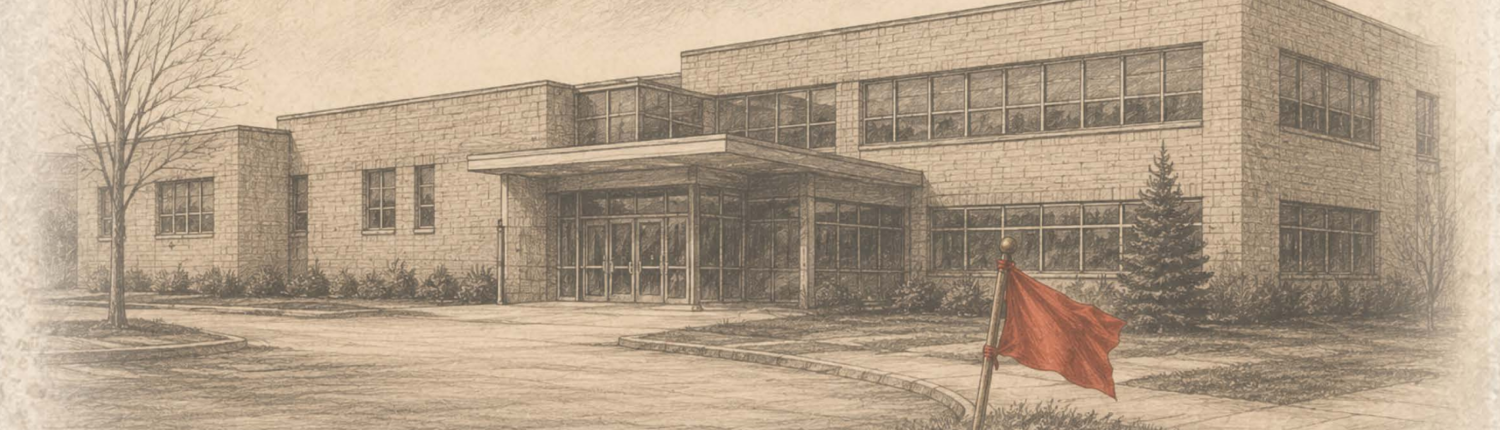
The College of Saint Mary Magdalen is a small residential Catholic liberal arts college founded in 1973, as part of the new wave of renewal in American Catholic higher education. Now the College is undergoing its own internal renewal, with a new name, an expanded curriculum focused on the Great Books, and an emphasis on student development in virtue.
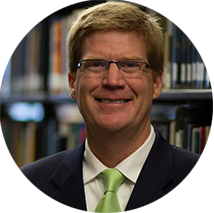
In 2010 the board of trustees changed the name from Magdalen College to more clearly honor its patroness, Saint Mary Magdalen, more strongly affirm its Catholic identity, and indicate a somewhat new direction. In 2011, the trustees selected the College’s fourth and current president, Dr. George Harne, who has both a background in the Great Books—having received a Master’s degree from St. John’s College—and a doctorate in musicology from Princeton University.
“We want our graduates to be part of the ‘creative minority’... the creative force that will transform the West,” says Dr. Harne.
The College’s recently revised curriculum integrates Socratic study of the Great Books with the classical seven liberal arts. The study of theology and an eight-semester series of seminars in philosophy and humanities are at the center of the integrated curriculum. In their junior and senior years, students complement these studies with concentrations in theology, philosophy, literature, or politics. Students also study in Rome during the spring semester of their sophomore year.

The College offers a Vatican-approved Apostolic Catechetical Diploma following the completion of six semesters of theology and catechesis that covers the entire
Catechism of the Catholic Church, as well as pivotal Church documents and key texts by the Church Fathers and Doctors of the Church. Through this program, students are prepared to be effective communicators of the Faith in their homes, parishes, and communities.
The faculty, chaplain, and student life staff annually take the Oath of Fidelity, and theologians have received the mandatum.
The College of Saint Mary Magdalen rests on the 3,500-foot Mount Kearsarge in Warner, New Hampshire, a quaint town of 2,800 residents in the Lakes Region. But students are also just 90 minutes from Boston, with numerous educational, cultural, and social opportunities.
Students come from across the United States and other countries, and over 95 percent are Catholic. A significant number of the students have gone on to graduate study, and about 10 percent of the graduates have become priests or other religious.
With the assistance of an investment by the Catholic Order of Foresters, the College was able to double its freshmen class for the 2012-2013 academic year. Accredited by the American Academy for Liberal Education, the College is seeking regional accreditation from the New England Association of Schools and Colleges.
The tuition was $26,500 for the academic year 2012-13, less than half the typical private-college tuition in New Hampshire, and the College strives to help families who need financial aid.
Academics

The College of Saint Mary Magdalen’s liberal arts education is built upon the careful reading, study, and discussion of the Great Books of the West, covering key texts from ancient Greece, Rome, the Church Fathers, medieval authors, modernity, and post-modernity. The College orders its curriculum according to the traditional seven liberal arts, combined with a strong emphasis on theology, philosophy, and the fine arts—the latter being rather unique by comparison to most other colleges, with a strong emphasis on music.
With the exception of two concentration courses per semester in the junior and senior years, all students follow the same Great Books curriculum. The course of studies includes a four-year philosophy and humanities sequence of seminars, studies in Rome, three years of theology leading to an Apostolic Catechetical Diploma, four years of music and art, two years of Greek or Latin, three years of science, and courses in logic, geometry, grammar, rhetoric, and non-Western cultures. Students complete a junior project based in their concentration and as seniors complete comprehensive exams and write a senior thesis.
Freshmen and sophomores take a writing workshop each semester in which they prepare one paper each week on a topic related to the humanities. Class meetings include oral presentation of those papers and practice in writing and editing.
The College’s authority to award the Apostolic Catechetical Diploma, granted by the Vatican to the College in 1983, is unique. Historically, this diploma has only been available through graduate programs. Students must demonstrate their mastery of the fundamental teachings of the Church by completing six semesters of theology based on the
Catechism of the Catholic Church and other key theological documents. The diploma is presented to students upon completion of their bachelor’s degree.
Students may elect to participate in the Honors Program, which was launched by Dr. Harne in his previous role as academic dean. With form and content similar to graduate seminars, the honors colloquia explore a variety of topics such as modern cinema, Dante’s Divine Comedy, a Catholic understanding of gender, the operas of Mozart, and phenomenology. Honors students must maintain a grade point average of 3.25 or higher and complete six honors colloquia, 16 credit hours of honors-level courses, and an honors thesis.
Spiritual Life
Our Lady, Queen of Apostles Chapel is the center of campus spiritual life. The chaplain offers Mass and Confession daily, marking Holy days and the liturgical seasons with special observances. No classes are held during Mass times. Students also gather for Lauds and Vespers in the chapel.
On important feast days such as the Immaculate Conception, the College of Saint Mary Magdalen closes its offices and marks the feast with Mass, special meals, speakers, and other activities.
The Rosary is prayed daily in the chapel or residence halls, and adoration and Benediction are available on a regular basis. Both the men’s and women’s residences have chapels in which the Blessed Sacrament is reserved.
The College places a special emphasis on reverence and beauty in campus liturgy, with a strong commitment to liturgical renewal. Dr. Harne says it was the beauty of the liturgy that initiated his conversion to the Catholic Church, entering “through the door of the
beautiful.” The student choir sings chant, motets, polyphony, and traditional hymns.
In 2011, Magdalen announced that students would chant the Propers of the Mass in newly composed English settings. Dr. Harne explained: “The introit, offertory, and communion chants of the Graduale Romanum have largely disappeared from the celebration of Mass. These chants have remained the ideal, being advocated in all magisterial documents concerning the liturgy in the past one hundred years, including those following the Second Vatican Council. Restoring the singing of these chants to our celebration of the Mass is another step toward fulfilling the Holy Father’s call for a reform of the reform.”
All Masses are celebrated
ad orientem, facing East as was traditional for much of the Church’s history, and students kneel to receive the Eucharist. Mass is celebrated in both the Ordinary and Extraordinary (or Tridentine) Forms.
Residential Life
Built with clapboard siding, brick, and shuttered windows, the residences are a “home away from home” for students enrolled at the College. Both residences—St. Mary’s for the women and St. Joseph’s for the men—have a large living room, a chapel where Christ resides in the Blessed Sacrament, study areas, and laundry facilities. Each bedroom accommodates several students with bunk beds, wardrobes, storage spaces, and a bathroom.
In past decades, Magdalen was known for its unusually strict policies governing student behavior, including mandatory Mass attendance, rigorous room inspections, and dating restrictions. But today the College’s policies are similar to other faithful Catholic colleges, allowing students independence while strongly encouraging moral development and growth in the virtues. Opposite-sex visitation is not permitted in the campus residences.
All students participate in the Campus Service Program by working in the library, serving in the administrative offices, or helping maintain campus facilities. This program helps defray the cost of tuition and promotes responsible stewardship of the campus buildings and grounds.
Student Activities
The College of Saint Mary Magdalen concurs with the German Catholic philosopher Josef Pieper that “leisure is the basis of culture,” and believes that student activities can be more than idle diversions. Students may choose from a variety of on-campus activities, and the College’s location in beautiful New Hampshire offers students access to Boston (with its historical, cultural, and athletic attractions), the beauty of the Atlantic Coast, and nearby slopes for skiing and snowboarding in the winter.
On campus, the initiative of the students and the efforts of the student life staff combine to provide activities for students year-round. These include a film series, concerts, student run clubs (such as Spes Vitae, the pro-life club), an intramural sports program, the Outdoors Club, the St. Joseph’s Confraternity, a Knights of Columbus council, the Art Club, and more. The basketball and soccer teams have hosted other collegiate teams in recent years.
The St. Genesius Players, the College’s drama club, has performed works by Shakespeare, Tennessee Williams’
The Glass Menagerie, Thornton Wilder’s
Our Town, Oscar Wilde’s
An Ideal Husband, as well as popular musicals.
Members of the college choir sing at daily Mass, and the full College Choir sings at each Sunday Mass and on Feast Days. Smaller ensembles, such as the Performance Choir, Polyphony Choir, and the chant schola, require an audition. The choirs of the College sing at St. Joseph’s Cathedral in Manchester, in the procession for the Boston Eucharistic Conference, and at various other venues. Music also finds a prominent place around campus in more informal settings, such as the Academic Convocation, parents’ weekend, and the annual Advent celebration (following the “Lessons and Carols” service.).
Pro-life activities are another important component of student life, with at least 90 percent of the students participating in the annual March for Life in Washington, D.C. Many students also participate in local pro-life activities, attending marches and vigils in Concord, and supporting the national “40 Days for Life.”
Annual traditions include the elegant and formal dance known as the Winter Ball, a men’s and women’s retreat weekend, the Fall Festival, and special meals hosted by each class.
The locale provides ample opportunities for outdoor and winter activities both on and off campus.
The Bottom Line

The College of Saint Mary Magdalen offers an education of the whole person—both in and beyond the classroom. With joy, theCollege proudly proclaims its fidelity to the Church, its commitment to intellectual excellence, and its determination to prepare Catholic leaders who will fearlessly renew the culture for Christ.
Students attending Magdalen find themselves in a small community that is intensely serious about the liberal arts and the Catholic faith, finding expression in the beautiful and reverent liturgies and music. Even so, the College has worked to ensure that campus policies balance expectations with students’ need for independence.
Today Magdalen offers students an idyllic setting and the opportunity to freely participate in a small community seeking to know the Truth, love the Faith, and transform the world.